
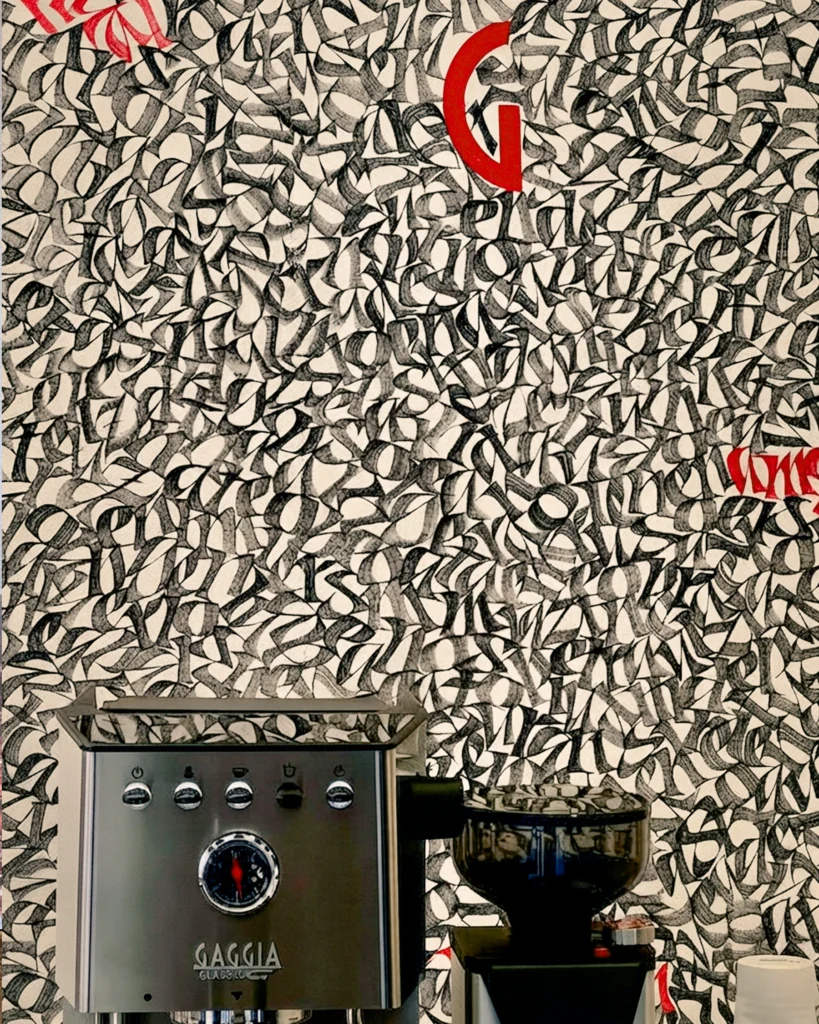
Gaggia Open House
The Customization of the Classic GT at Milan Design Week 2025
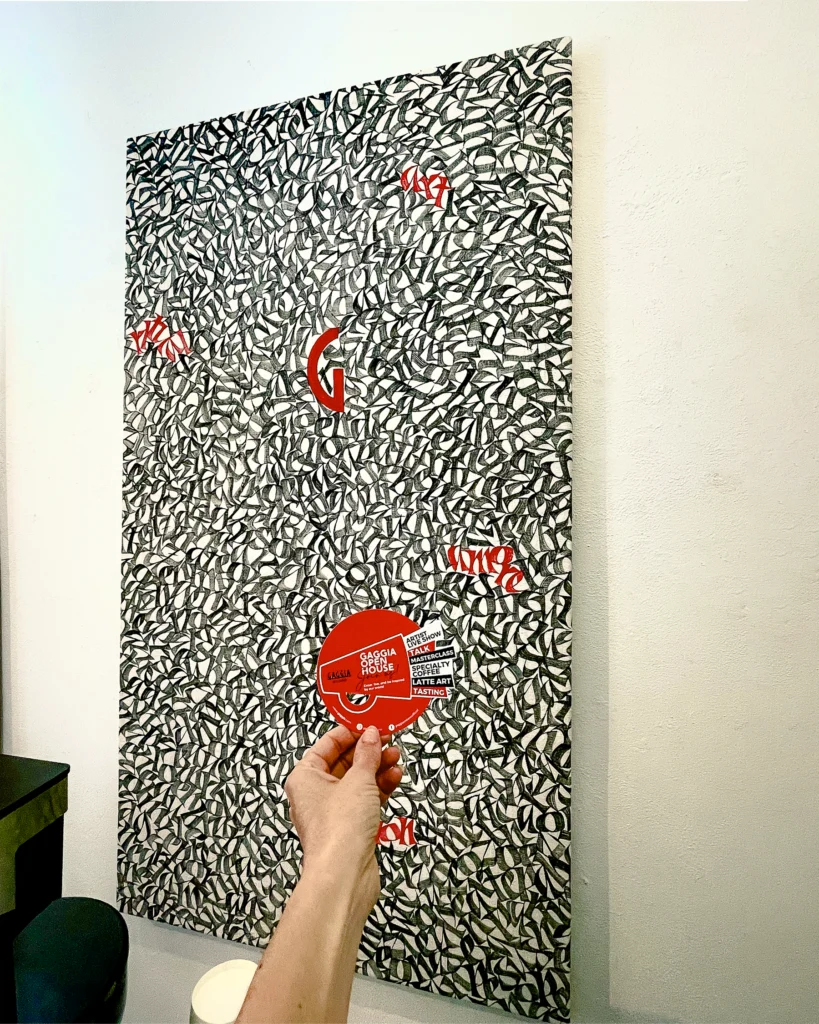
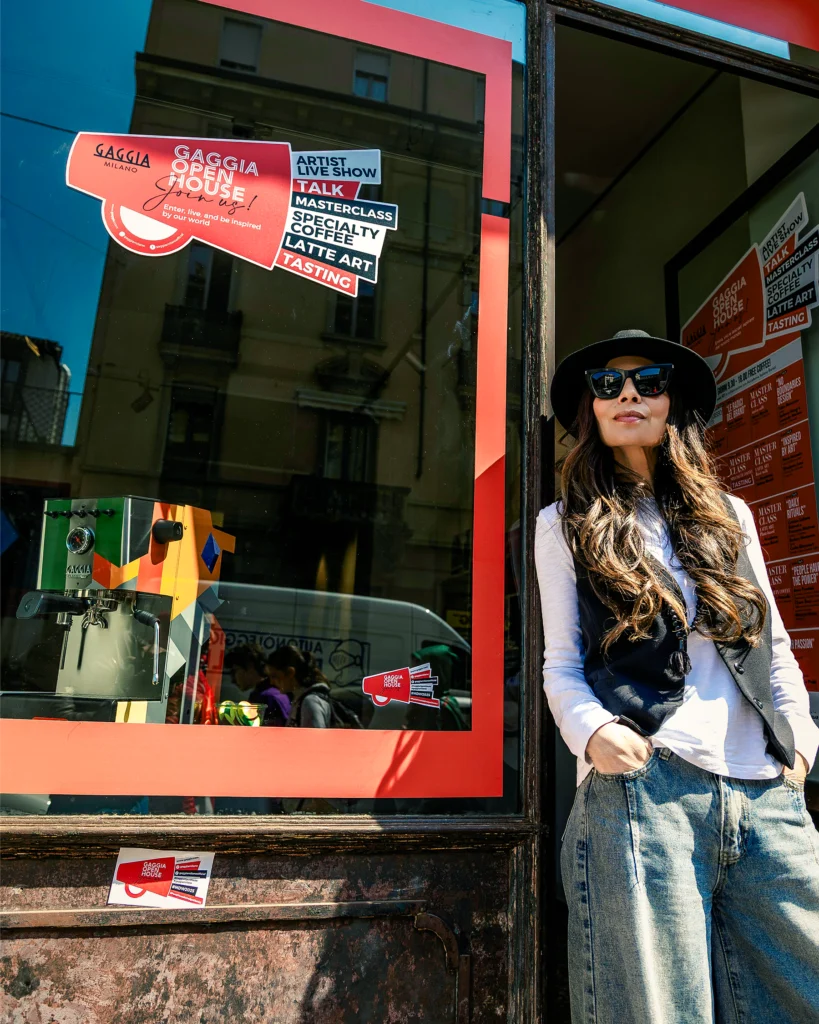
On the occasion of Milan Design Week 2025, Gaggia chose to present the new Classic GT through a project that went beyond a conventional product launch. Held at the Eroici Furori gallery in the heart of Porta Venezia, Gaggia Open House brought together design, art, coffee culture and experimentation over five days, transforming the presentation of the new machine into an experience open to the public.
The choice of location was far from accidental. It was precisely in Porta Venezia that, in the 1930s, Achille Gaggia developed and patented the Lampo system, an innovation destined to permanently change the way espresso was prepared and become part of the history of Italian coffee.
The Classic GT, the contemporary heir to this history, was therefore presented through a series of artistic interpretations that highlighted another possibility: becoming an object capable of expressing identity, personality and creativity.
Three Ways of Interpreting an Object
To explore this dimension, Gaggia invited three Italian artists — Eugenio Filippi, Luca Font and Marta Lagna — to work directly on the Classic GT during three live performances.
The same object thus became the starting point for three different artistic languages.
Filippi explored its plastic and three-dimensional qualities, Font focused on graphic synthesis and the relationship between line and surface, while Marta Lagna brought to the machine the language that has always defined her artistic research: calligraphy.
The dialogue between the three interventions demonstrated how an industrial product can become a surface open to artistic exploration without losing its original design identity.
The Coffee Machine as a Surface to Be Written
For Marta Lagna, the Classic GT became a kind of three-dimensional page.
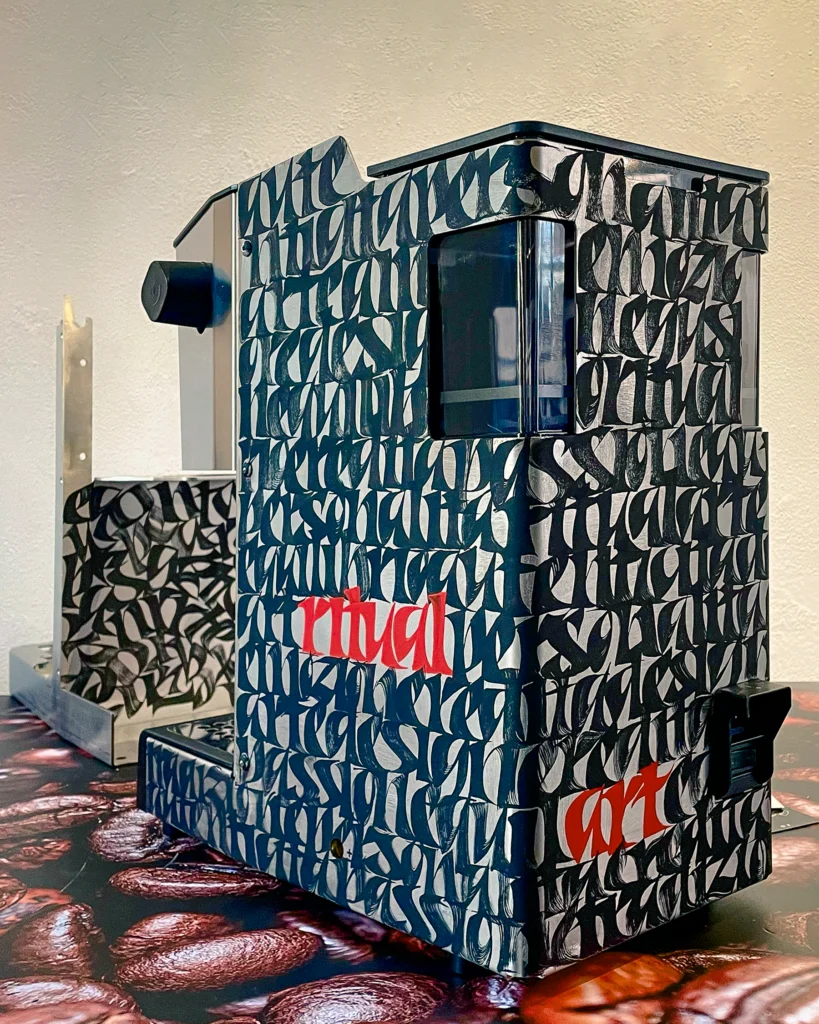
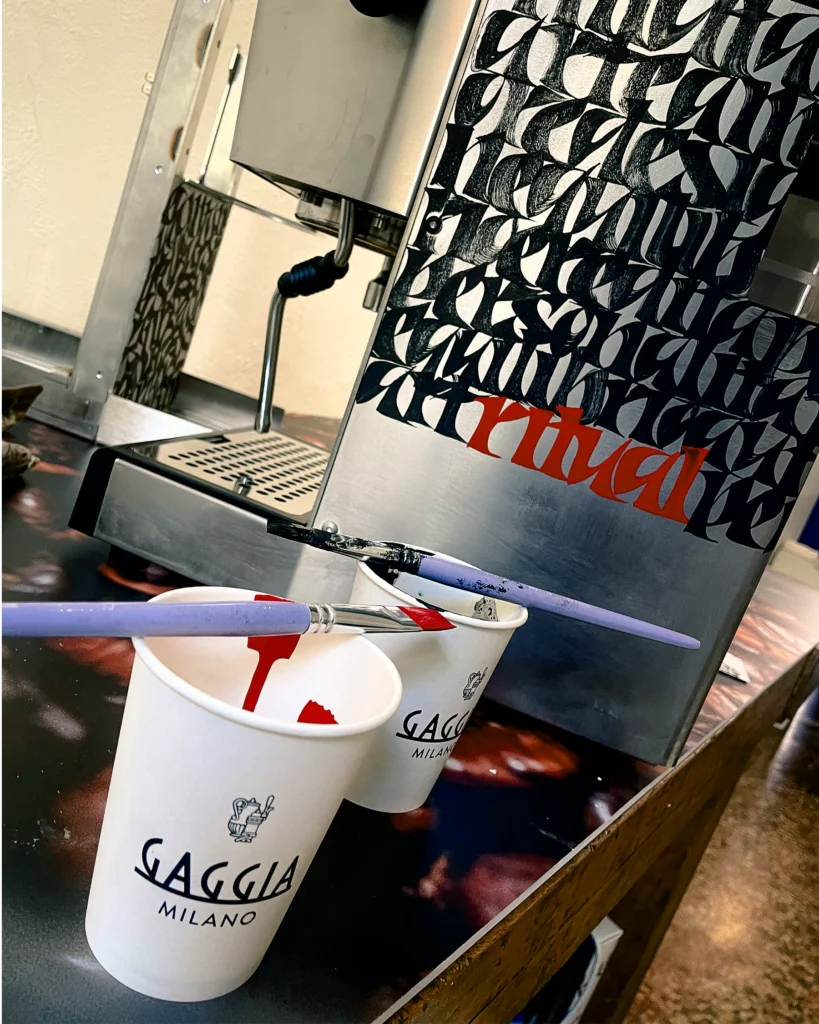
Its industrial form offered a surface on which to construct a composition made of words, marks, rhythm and layers. Rather than applying a pre-designed image, she worked directly on the object through the gesture of the hand.
The writing began to follow the shape of the machine, wrapping around it and progressively altering the way it was perceived.
Words appear in different sizes and with varying degrees of intensity. Some remain legible, while others are almost entirely transformed into graphic marks. Calligraphy partially loses its traditional function as text and becomes a visual material in its own right.
This is a recurring principle in Marta Lagna’s work: the word is not simply something to be read, but something capable of constructing a surface, creating rhythm and generating a presence within space.
The Choice of Words
At the heart of the intervention lies a process of research into meaning.
Marta Lagna has always used words as a design element and places great importance on the selection of the texts and terms that enter her compositions.
Poetry and literature are among the main sources of her research, but words are constantly recontextualized in relation to the object on which they are applied.
For Gaggia, the idea of ritual becomes particularly significant.
Coffee is part of everyday life, but it is not an ordinary gesture. It is a moment that is repeated, one that punctuates the day and can take on a different form each time.
Calligraphy, too, is born from repetition — from practice and from the ability to transform movement into a personal mark.
The word “ritual”, highlighted in red within the composition, therefore becomes one of the central elements of the intervention.
Black, Red and a New Visual Identity
Marta’s composition is built primarily around the contrast between black lettering and touches of red.
Black creates a continuous, enveloping texture, almost like a graphic skin running across the machine’s surface. Red, by contrast, acts as an interruption, drawing the eye toward specific words and details.
The result retains a strong chromatic simplicity while giving the original Classic GT a completely different presence.
Still recognizable in its shape, volumes and function, the machine takes on a new visual identity through calligraphy, becoming more personal and closer to the dimension of an author’s object.

The Gesture of the Hand
A fundamental part of the project is the live performance.
The customization took place in front of the public, making the creative process an integral part of the Gaggia Open House experience. The surface of the machine was progressively constructed through the artist’s gesture, making visible something that normally remains outside the final image of a project: the time required to create it.
Every stroke is the result of a choice and a movement.
The hand determines the speed, pressure and direction of the mark. Repetition creates rhythm, while variations make the composition unique and unrepeatable.
It is precisely this manual dimension that creates the most interesting relationship with the industrial design of the Classic GT.
When the Industrial Meets the Unique
The Classic GT is an industrial product, designed to be reproduced while maintaining precision, functionality and formal consistency.
Marta’s intervention introduces the opposite element: uniqueness.
Through calligraphy, the same machine can no longer simply be replicated. The manual gesture leaves a personal trace, transforming a mass-produced object into a singular piece.
This is not a contrast between art and design, but a dialogue.
The structure designed by Fabio Rezzonico remains the starting point; calligraphy intervenes on its surface to construct a new layer of storytelling.
The function does not change. What changes is the way the object is perceived.
Coffee Is an Experience
For Gaggia, coffee is much more than the result contained in a cup. It is an experience made of gestures, choices, sensations and moments to be shared. An everyday language that can become something different each time.
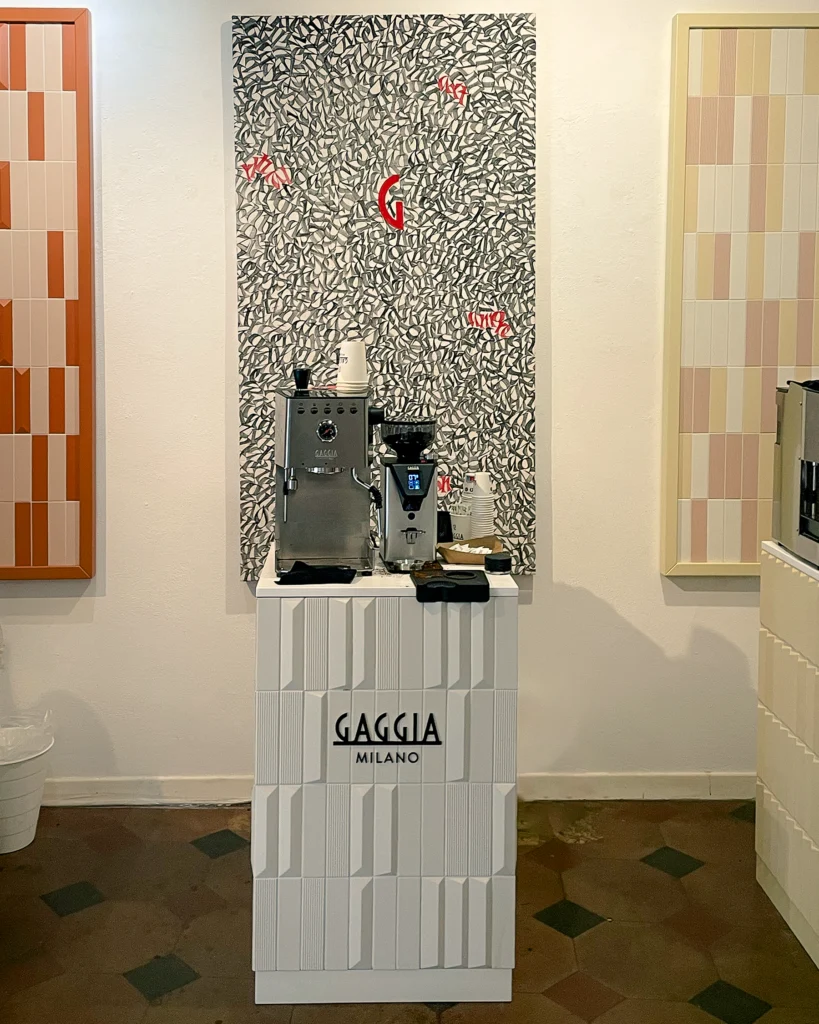
This is the principle behind Gaggia Open House, where the Classic GT was presented through three domestic coffee stations, combining different materials, colours and ways of experiencing the ritual of coffee.
Tastings, masterclasses, talks and performances transformed the space into a meeting place, making coffee a starting point for conversations around design, art and creativity.
Marta Lagna’s work became part of this narrative by bringing a more personal dimension to the Classic GT: writing as gesture, expression and time.
Her calligraphy transforms the machine’s surface into a narrative mark, adding a new form of storytelling to the experience of coffee.
From Surface to Story
The collaboration with Gaggia represents a further step in Marta Lagna’s journey of bringing calligraphy beyond its traditional supports.
In her work, writing moves across paper, textiles, walls, objects and large-scale surfaces, entering into dialogue with architecture, interior design, fashion and art.
The Classic GT represents another stage in this research.
An object designed to accompany an everyday gesture becomes a surface on which that gesture can be explored through another language: the language of the written word.
The coffee machine thus becomes, simultaneously, a tool, a surface and a story.
An Everyday Object Transformed by Gesture
The result of the customization lies not only in the new aesthetics of the Classic GT, but in the relationship created between the object and the gesture that transformed it.
This is the value of the performance: making visible the fact that behind a finished surface there is a process, a period of time and a series of choices.
Marta Lagna therefore brings to the Classic GT an essential part of her artistic research: the idea that even an everyday object can become an opportunity to pause, observe and give new meaning to things through the written word.
For Gaggia, coffee is a ritual.
For Marta, writing is a ritual too.
And it is precisely in the encounter between these two gestures that this interpretation of the Classic GT comes to life: an industrial object that, through the artist’s hand, acquires a unique story.
PROJECT SUMMARY
PROJECT
Gaggia Open House
CLIENTE / BRAND
Gaggia Milano
INTERVENTION
Artistic customization of the Gaggia Classic GT
YEAR
2025
EVENT
Milano Design Week · FuoriSalone 2025
PERFORMANCE DATE
8 aprile 2025
LOCATION
Eroici Furori, Via Melzo 30, Milano
TYPE
Live Performance · Custom Artwork